Lesson: Foundations
The no-code trap
No-code let people build without typing code, inside someone else’s platform. Here is what that costs, and the two tests that show it.
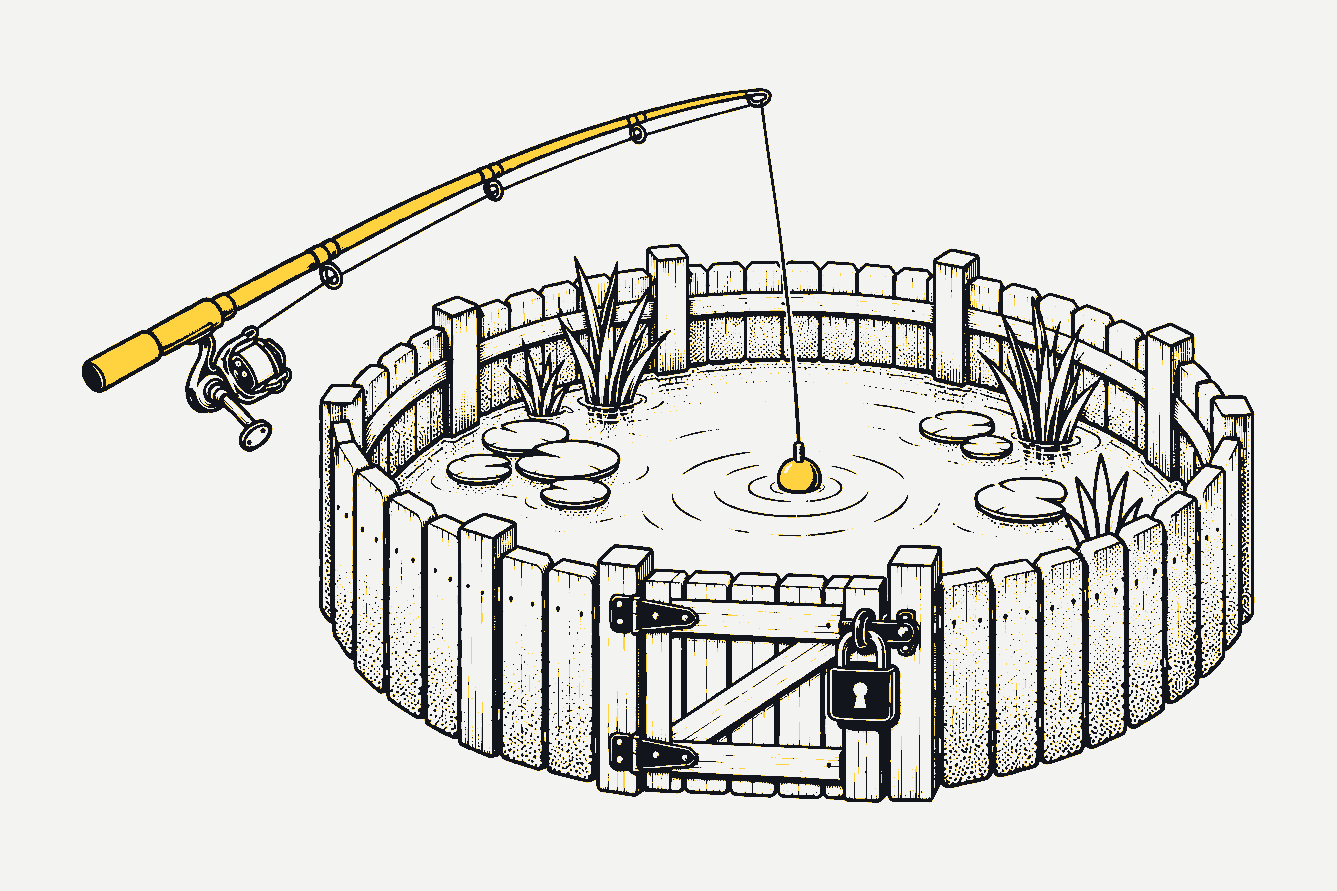

No-code “solved” programming for people who don’t code. But somebody owns the platform, somebody owns your code, somebody owns your process, somebody owns what it can do. So you’re stuck, and it’s okay if you’re okay with this.
If you’re not: own the database, own the code, own the process, and let an agent be your engineer.
Isn’t this no-code again?
No-code let people build without code, inside someone else’s platform. The platform owns where it runs, how it works and what it costs next year. AaSS (Agent as Software Solution) gives you the same freedom from typing code, and you own the result.
Where no-code sits
Next to the other ways of renting, a no-code platform looks like this:
| Way | What you get | Who owns the data, code and process | What you pay for | When you want to leave | Good for |
|---|---|---|---|---|---|
| No-code platforms | a builder you use yourself | your setup is yours; where it runs and what it can do are theirs | access, every month | you rebuild somewhere else | quick tools, when the platform’s limits fit |
It’s fair to say it plainly: for a quick tool, when the platform’s limits fit, it’s the right choice.
Own all three
Whoever owns the data, the code and the process owns your business’s future. Data alone is not enough: an export without the rules and steps that give it meaning is a pile of rows. When a vendor owns all three, you’re stuck, and that’s okay if you’re okay with it. If you’re not, AaSS puts all three in your name.
Two tests
A method needs a line people can check without asking anyone.
- The leaving test. Can you walk away with your data, your code and your process, without asking anyone’s permission?
- The loyalty test. Do the agent’s rules and memory live in your files?
Two yeses: AaSS. Any no: some kind of rent. Rent is fine, as long as you know it’s rent.
Take-home
- Pick one no-code tool you use.
- Run it through the leaving test: can you walk away with your data, your code and your process, without asking anyone’s permission?
- Run it through the loyalty test: do the agent’s rules and memory live in your files?
- Write down the answers. If they’re no, you’ve found some rent. Keep it or change it: that’s your call.